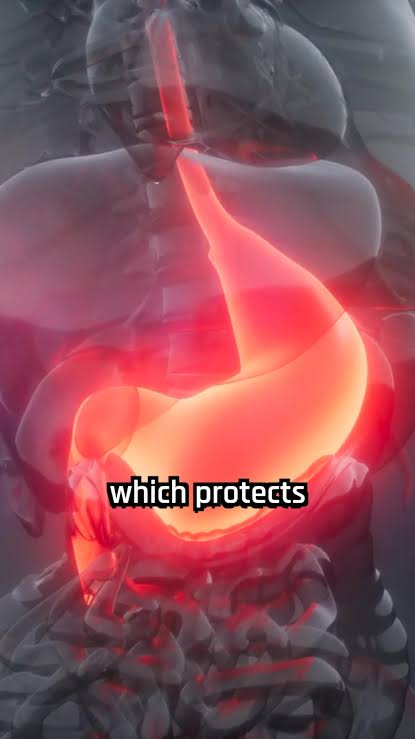
The role of HCl in the stomach goes far beyond simple digestion. Hydrochloric acid, produced by parietal cells in gastric glands, maintains a pH between 1.0 and 3.5 — making your stomach one of the most acidic environments in the human body. Without it, protein breakdown, nutrient absorption, and pathogen defense would all fall apart.
What Are the 3 Main Functions of HCl?
First, HCl denatures proteins and activates pepsinogen into pepsin, the enzyme that cleaves peptide bonds. Second, it acts as a chemical barrier — killing bacteria, viruses, and parasites that enter with food. Third, it facilitates absorption of key micronutrients like iron, calcium, vitamin B12, and zinc. A 2013 study in Therapeutic Advances in Drug Safety linked long-term acid suppression to B12 deficiency and increased fracture risk.
What Happens If There Is Too Much Acid?
Excess HCl leads to GERD, acid reflux, and peptic ulcers. The stomach protects itself with a mucus-bicarbonate barrier, but when that defense breaks down — due to H. pylori infection or chronic NSAID use — damage follows quickly. In the duodenum, pancreatic bicarbonate neutralizes remaining acid (HCl + NaHCO₃ → NaCl + H₂CO₃), triggered by the hormone secretin.
What Causes Low HCl in the Stomach?
Hypochlorhydria, or low stomach acid, is surpisingly common. Aging is a major factor — a study published in BMC Gastroenterology (2017) found that gastric acid output decreases significantly after age 60. Chronic stress, H. pylori overgrowth, and prolonged use of proton pump inhibitors (PPIs) also suppress production.
Complete absence of HCl, called achlorhydria, can trigger SIBO (small intestinal bacterial overgrowth) by allowing bacteria to survive past the stomach.
How to Increase HCl Naturally?
Some practical steps that may help: chew food thoroughly, avoid drinking large amounts of water during meals, and manage stress levels. Bitter foods like arugula and ginger stimulate gastric secretion. Apple cider vinegar before meals is a popular remedy, though clinical evidence remains limited.
If symptoms persist, a Heidelberg pH capsule test or ambulatory pH monitoring can measure actual acid levels — much more reliable than guessing.
How Does the Stomach Protect Itself From Its Own Acid?
Goblet cells secrete a thick mucus layer, while epithelial cells release bicarbonate ions directly into that mucus. This creates a pH gradient: nearly neutral at the cell surface, extremely acidic in the lumen. The lining also regenerates every 3–5 days, wich is remarkably fast compared to other tissues.
FAQ
Why is the pH in the stomach so acidic?
Human stomach pH evolved to be lower than most herbivores — closer to scavengers, actually. This likely developed as protection against foodborne pathogens in varied diets.
Which drink helps reduce acidity?
Cold milk and coconut water are often recommended for temporary relief. However, they dont address the root cause — consult a doctor if reflux is frequent.
Who secretes HCl in the stomach?
Parietal (oxyntic) cells, located in the body and fundus of the stomach, use the H⁺/K⁺ ATPase proton pump to secrete hydrogen ions against a massive concentration gradient.
Final Thoughts
HCl is essential — not optional. Too much causes ulcers and reflux; too little impairs digestion and nutrient uptake. Rather than self-medicating with antacids or supplements, get proper testing if you suspect an imbalance. Your gut microbiome, bone health, and immune defense all depend on getting this balance right.