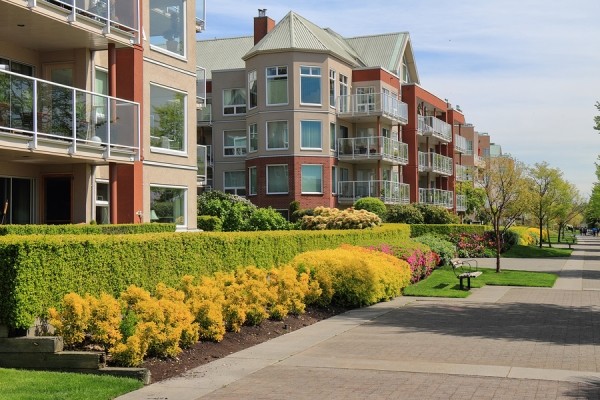
Maintaining strong relationships with residents is one of the most important responsibilities of a property manager. Beyond ensuring operational efficiency and property upkeep, long-term success in property management depends heavily on trust, satisfaction, and communication. Residents who feel valued and heard are more likely to renew leases, follow community guidelines, and contribute to a positive living environment. For property managers, this translates into reduced turnover, fewer conflicts, and more stable property performance. Building and sustaining these relationships requires intentional effort, consistency, and a resident-focused approach to service delivery.
Establishing Trust Through Reliability and Consistency
Trust is the foundation of any strong resident relationship, and it is built through consistent actions over time. Property managers must ensure that commitments are followed through promptly and reliably. Whether it is addressing maintenance requests, providing updates on repairs, or enforcing policies fairly, consistency reinforces credibility.
One of the most effective ways to build trust is through responsiveness. Residents expect timely acknowledgment of their concerns, even when immediate solutions are not possible. A simple confirmation that a request has been received and is being addressed can significantly improve perception and reduce frustration.
Creating a Positive and Respectful Living Environment
A strong resident relationship is closely tied to the overall environment of the property. Property managers play a key role in fostering a respectful and well-maintained community. This includes ensuring that common areas are clean, safety standards are upheld, and noise or behavioral issues are addressed appropriately.
Proactive management is essential. Rather than waiting for issues to escalate, property managers should regularly assess potential concerns and address them early. This might involve routine inspections, preventive maintenance, or community reminders about shared responsibilities.
Effective Communication and Responsiveness
Clear and consistent communication is central to maintaining strong resident relationships. Property managers must ensure that information is communicated in a way that is easy to understand, timely, and relevant. Miscommunication or lack of communication is often a leading cause of dissatisfaction in property management.
Different situations require different communication methods. Formal notices may be best delivered through email or written documentation, while urgent updates require faster channels. Many property managers now incorporate digital tools to streamline communication and improve response times.
For example, SMS for property management has become a valuable tool for sending quick updates, reminders, and alerts. Its immediacy helps ensure that residents receive important information promptly, improving both engagement and responsiveness. When used appropriately, it complements other communication methods and enhances overall efficiency.
However, communication should not rely solely on technology. Personal interaction remains essential, particularly when dealing with sensitive issues or conflict resolution. A balanced approach that combines digital tools with direct communication tends to produce the best outcomes.
Handling Conflicts with Professionalism and Empathy
Conflicts are inevitable in any residential setting, but how they are managed determines the strength of the relationship moving forward. Property managers should approach disputes with professionalism, neutrality, and a focus on resolution rather than blame.
Active listening is a key skill in these situations. Allowing residents to fully express their concerns demonstrates respect and helps ensure that issues are properly understood before solutions are proposed. Empathy also plays an important role, as acknowledging the resident’s perspective can help de-escalate tension and build trust.
Clear documentation of issues and resolutions is equally important. This ensures transparency and provides a reference point if similar situations arise in the future. Consistent conflict resolution practices help maintain fairness and stability within the community.
Maintaining Long-Term Engagement and Satisfaction
Strong resident relationships are not built through isolated interactions but through ongoing engagement. Regular communication, attention to feedback, and visible improvements all contribute to long-term satisfaction.
Property managers should actively seek resident input through surveys, conversations, or feedback platforms. This information can be used to identify areas for improvement and demonstrate that resident opinions are valued. Acting on feedback further strengthens trust and shows commitment to continuous improvement.
Small gestures can also have a meaningful impact. Acknowledging lease renewals, celebrating community milestones, or simply checking in periodically helps reinforce positive relationships over time.
Conclusion
Building and maintaining strong relationships with residents requires a combination of trust, communication, fairness, and consistent engagement. Property managers who prioritize responsiveness, foster a respectful environment, and effectively use tools such as SMS for property management can significantly enhance resident satisfaction. Ultimately, successful property management is not only about maintaining buildings but also about cultivating a community where residents feel valued, heard, and supported over the long term.